Blog Archives
Best biographies I read in 2025
If you know me, you know that I nerd out on history. In 2025, I read a lot of biographies. These were particularly interesting to me:

*Confessions of St. Augustine. The spiritual and psychological autobiography of one of the greatest theologians in history. What more can I say? Read it!
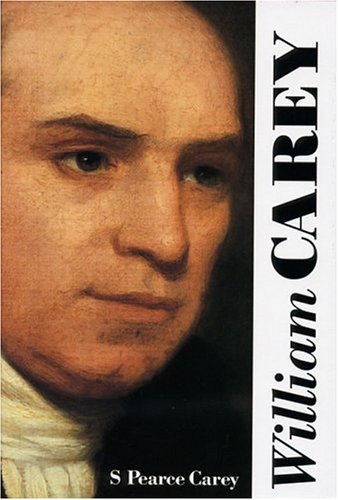
*William Carey, by S. Pearce Carey. A masterful story of the father of modern missions by his great-grandson. Inspiring beyond measure. Thanks to Dr. Bennie Crockett for recommending it.
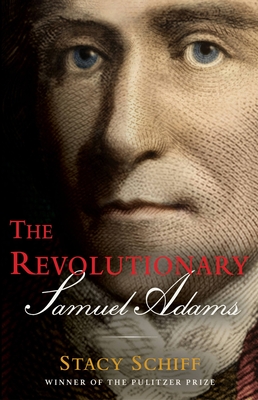
*The Revolutionary, Samuel Adams, by Stacy Schiff. With our nation’s 250th anniversary coming up, I wanted to read up on that era. Schiff shows how Samuel Adams was perhaps the greatest instigator behind the revolution. Fascinating.
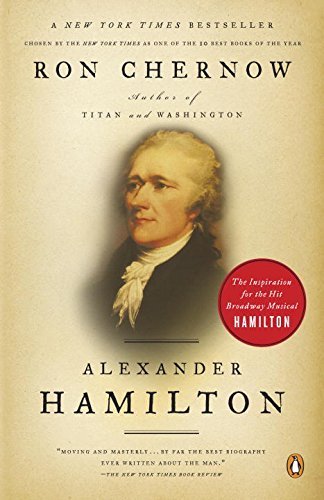
*Alexander Hamilton, by Ron Chernow. No wonder they made a Broadway play based on this book. The guy had more drama in his lifetime than some nations have in their entire history.
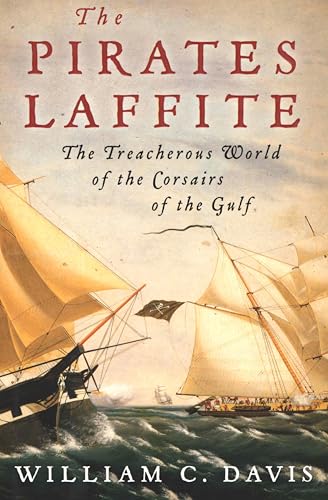
*The Pirates Lafitte, by William C. Davis. Entertaining and illuminating about the Gulf Coast culture and history in the early 1800s through the raucous lives of the pirates Jean and Pierre Lafitte. I really enjoyed this one.
The personal spat between Washington and Hamilton that reflects human nature
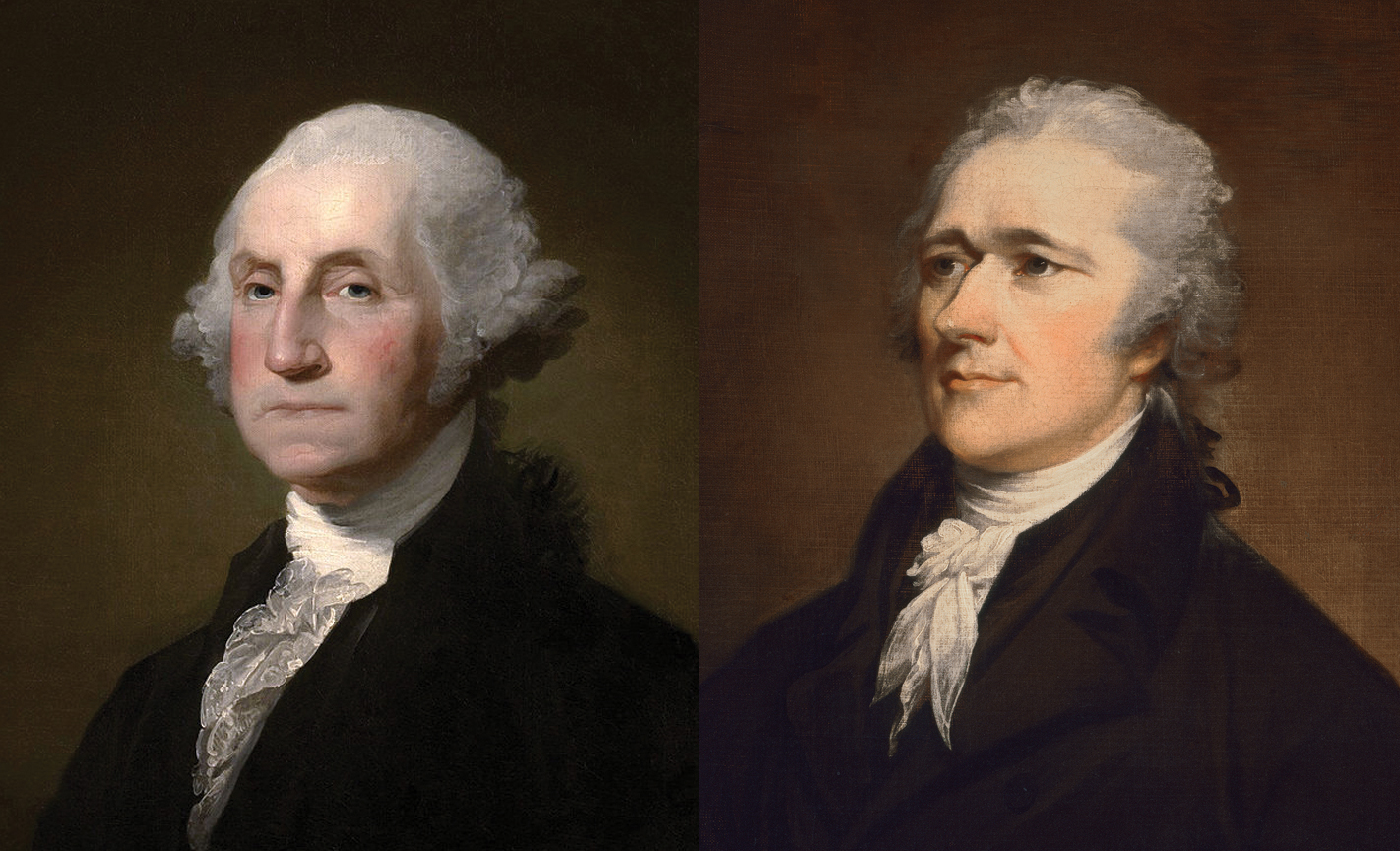
In Ron Chernow’s biography, Alexander Hamilton, he describes the personal disagreement between George Washington and Alexander Hamilton that mirrors the emotions and actions that employees and employers have to this day.
Early in the American Revolution, General Washington hired Hamilton as his aide-de-camp, recognizing Hamilton’s brilliant reasoning and writing skills. Hamilton was an enormous help, able to express Washington’s wishes in letters and other communications, including fluent messages in French. He even served as his emissary several times. However, Hamilton’s ability became a curse, because when opportunities came for Hamilton to be promoted to colonel or general and command a fighting unit, he was passed over because Washington desired to keep him by his side. It frustrated Hamilton to remain a lieutenant colonel.
One day, Washington requested to speak with Hamilton in his office, and Hamilton acknowledged the request but delayed for a few minutes to finish communicating messages to two other people in the building before turning up the stairs toward the general’s office. He was surprised to find Washington standing on the stairs, demanding to know why he had kept him waiting “these ten minutes.” Hamilton denied that he had been tardy and became so incensed that he resigned. Rather than talk him out of it, Washington accepted his resignation, losing his right-hand man, who returned to civilian life for a time.
This interesting encounter reflects human nature on several layers. Both men were proud. Hamilton was likely feeling unappreciated because he had been passed over for a promotion. Washington was offended that Hamilton did not immediately drop what he was doing to speak to him, since Washington was his commanding officer. What do you think they should have done differently? Was Washington wrong to scold Hamilton for the ten-minute delay? Should Hamilton have apologized and revealed his frustration over his lack of promotion? Should Washington have refused Hamilton’s resignation and spoken to him personally about it?
Later in the war, Hamilton was able to return to the war as an officer commanding a unit, and he led his men to capture a redoubt in the climactic battle of Yorktown. Washington recognized his talents and continued to be Hamilton’s patron. Both men continued to have great respect for each other and were big enough to forget the past. And later, when Hamilton was scandalized for committing adultery, Washington was able to forgive him, knowing how valuable he was to the country.
Beyond war, politics, and economics, history can also teach us lessons in personal relationships.


 Bob Rogers